
Running a bit late once again, here are my film reviews for the first few months of 2026.
Much like 2025, it’s been a middling start to the year (maybe I’m just getting older?). No one film has been able to reach 5-stars for me, although I’ve been having a mix of reflection, amusement and tedium in the screenings. There are some interesting movies heading our way with the summer heat, so hopefully they’ll be getting over that coveted line.
So, here’s my 4 top films of the year (so far):
AFFEKSJONSVERDI (SENTIMENTAL VALUE): Reinvse and Skarsgård Simmer in Slow-Burn Family Drama.
Director: Joachim Trier / Screenplay: Eskil Vogt, Joachim Trier
Of all the films I’ve seen so far this year, Joachim Trier’s Sentimental Value certainly had the most unexpectedly enticing opening scene. Accompanied by evocative cinematography of a spacious, suburban detached house in Oslo, the unidentified narrator creates an intimate portrait—not so much of life within the house, but of the house itself imbued with life. Its joys and sorrows are brought to us vividly from the start, guiding us gently into Trier’s slow-burning, emotionally affecting feature.
This prologue sketches the childhood of Nora Borg (Renate Reinsve) and the formative event of her parents’ acrimonious marital breakdown. In the present, Nora is a successful actress, often crippled by anxiety and keeping everyone at a distance except her sister Agnes (Inga Ibsdotter Lilleaas). When her mother dies and her father—the famous director Gustav Borg (Stellan Skarsgård)—inherits the family home, it brings back painful reminders of the father and daughter’s estrangement. Ever the creative, Gustav desires Nora to be part of his latest film project based in the family nest. While Nora refuses, this attempt to bridge the gap might just provide the opportunity to mend the crack in their relationship.
Despite the beautiful narration and dialogue written by Trier and co-writer Eskil Vogt, the serene, sedate cinematography threatens to change Sentimental Value into a home interior advert. Skipping timeframes and characters that possess similar names also create some confusion as the narrative unfolds. As much as this is a story about family trauma and the limits of reconciliation, it also explores the problems of creativity channeled by grief. Despite its subtle provocations, the somewhat lackluster, unchallenged outcome for Skarsgård’s aloof father-director proves undercooked.
However, these are minor gripes compared to the simmering tension between Reinsve and Skarsgård, the film’s tense backbone. Their early chemistry of evasions and passive-aggressiveness is played convincingly. While that memorable prologue casts its sentimental shadow over the present timeline, Trier allows the flaws of these difficult characters to be given space. Despite often being framed from Nora’s emotional perspective, the director allows the viewer to question her pain and judgement.
Sentimental Value is beautifully alluring as cinema and deeply novelistic in its storytelling. In the end, it poses a resonant, probing question: is it righteous to withhold forgiveness, or are we denying ourselves the possibility of healing?
Where to Watch: Sentimental Value is available to watch now on MUBI and Amazon Prime Video.
My Verdict // ★★★★☆
HAMNET: Buckley and Mescal Suffer Outrageously in Zhao’s Stark, Wild Adaptation.
Director: Chloé Zhao / Screenplay: Chloé Zhao, Maggie O’Farrell – based on the 2020 novel of the same name by Maggie O’Farrell.
In the deep wooded wilds of rural England, a romance is brewing. Agnes Hathaway (Jessie Buckley) is beguiled by an unremarkable tutor named William Shakespeare (Paul Mescal). Ignoring hostility from their families towards this coupling, their relationship soon blossoms into passionate love.
However, William is unable to fulfill his creative passions in the country and so sets off for London. Left behind to bring up their children, Agnes begins to resent her husband’s increasingly long absences in the capital. A fateful plague forces their fracturing relationship to breaking point, altering the course of their lives…
Chloe Zhao’s adaptation of Maggie O’Farrell’s hit 2020 novel is deeply unsettling, suffused with much melancholy. With the famous playwright’s name kept firmly in the wings early on, and Mescal portraying the man as a sad, insecure creative (admittedly bread and butter for the actor), Shakespeare is decidedly not the centre of Hamnet. It is Buckley’s absolute tour de force performance as the indefatigable, assertive Agnes that drives us on an emotional rollercoaster through love and death in seventeenth-century England.
Zhao’s vision is both stark and wild. The bleak realities of the time—in sensibility, pregnancy, birth, and disease—are depicted without flinching. But it is numbingly cruel and features an awful lot of screaming. At the same time, the director heightens the eerie beauty of wood, wind, and water, both in the pervasive natural visuals and diegetic soundscapes, although often punctuated by a characteristically somber score from Max Richter. These are the subtler, deeper notes of Hamnet: where the frailty of life was reality, and religion and spiritualism were the response.
Along with all that screaming, the film falters by succumbing to a flirtation with the playwright’s text and the temptations of tragic melodrama. Perplexingly, Mescal is given the chance to do Hamlet’s famous monologue on mortality (a pre-West End audition, perhaps?). In the film’s climactic scene, Zhao scores her film with a distractingly overused piece of classical music (the now go-to funereal On the Nature of Daylight, again from Richter), manoeuvring Agnes into the theatre in order to understand her husband’s grief through catharsis. But does he understand her grief? The moment too trite and too weak to quite build organically to our own cathartic moment with the film’s focal couple. It leaves a consummation devoutly to be wished (sorry).
Nevertheless, despite these highs and lows, Hamnet does resonate with the theme of life’s fragility. Perhaps we are all caught between a notion of heavenly order and the unforgiving, unknown chaos of the world.
Where to Watch: Hamnet is available to watch now on Amazon Prime Video and Apple TV.
My Verdict // ★★★★☆
THE HISTORY OF SOUND: Hermanus’ Sedate, Bittersweet Drama Strikes A Quiet, Optimistic Note.
Director: Oliver Hermanus / Screenplay: Ben Shattuck – based on the 2024 short stories ‘The History of Sound’ and ‘Origin Stories’ by Ben Shattuck.
Set prior to the United States’ involvement in the First World War, conservatory student Lionel Worthing (Paul Mescal) encounters the enigmatic David White (Josh O’Connor) in a bar one night. Drawn together both musically and emotionally, they fall into a hidden romance. However, David soon enlists and only returns from the war years later to rekindle his relationship with Lionel. The music scholar has since languished on his bleak family farm in Kentucky, longing for the opportunity to be with David again. Invited to travel across the American North to record local folk songs for posterity, Lionel joins David on what will be the most significant journey of his life.
Adapting Ben Shattuck’s two short stories ‘The History of Sound’ and ‘Origin Stories’, Oliver Hermanus continues his exploration of manhood and desire after Beauty (2011) and Moffie (2020), although this is a far sweeter and more sedate affair. Sparse dialogue gives way to natural sounds and, of course, the wistful folk music that forms much of the film’s score, plot, and melancholic atmosphere. That sense of sorrowful nostalgia continues through Hermanus’s framing—often lingering on faces that either bloom with affection or have been bitten hard by time and loss.
Although these roles fall squarely in the wheelhouse of both leads’ abilities—typically tragic, quiet men—Mescal and O’Connor remain genuinely engaging. The latter is allowed to be less boorish here than in many of his past roles, giving White a sly twinkle to his eye that just about hides the psychological wounds of war. Chris O’Connor delivers a deeply moving performance as the older Worthing in the film’s bittersweet epilogue. As with much period drama depicting the lives of gay men in this era, the denial, secrecy, hardship and hopelessness are conventional. Yet, somehow, Hermanus still delivers on Shattuck’s sentimental conclusion with a note that feels optimistic: the music endures across time and, through it, the feeling in memory.
Where to Watch: The History of Sound is available to watch on MUBI, Amazon Prime Video and Apple TV.
My Verdict // ★★★★☆
28 YEARS LATER – THE BONE TEMPLE: DaCosta’s Direct Sequel to Boyle’s Threequel Makes Monsters of Us All.
Director: Nia DaCosta / Screenplay: Alex Garland.
Last year, Danny Boyle returned us to his post-apocalyptic vision with a film that seemed to stitch together social realism, survival action thriller, and uncanny existential melodrama. 28 Years Later (2025) was less a depiction of life reduced to the nasty and brutish, than of how the uncanny rises as humanity falls. Nia DaCosta’s sequel picks up directly from those events and takes up its tragically uncanny tone. However, DaCosta’s continuation zooms in from Boyle’s weird, apocalyptic atmosphere to the horrors in the human heart.
A few days after Spike (Alfie Williams) was rescued from a horde of zombies by a group of blonde-wigged, tracksuit-wearing, surprisingly athletic rangers (the wacky final scene of the previous film), he’s inducted into the satanic cult of ‘Jimmy Crystal’ (Jack O’Connell). A psychotic gang leader who claims to be the son of the devil, Jimmy intends to lead his merry band of ‘Jimmies’ on a reign of terror across the zombie-infested wilds of England. While Spike struggles to hold onto his humanity, the solitary Dr. Ian Kelson (Ralph Fiennes) makes unexpected discoveries with a hulking Alpha zombie that he calls Samson (Chi Lewis-Parry). When Kelson’s ominous oasis (the ‘bone temple’ of the film’s subtitle) is spotted by one of Crystal’s minions, an inevitable violent confrontation is threatened.
From the outset, DaCosta makes it clear that zombies are the least of the audience’s concerns. The opening scene of Spike’s induction—a tense, cruel ‘cock’-fight in a pit (a disused swimming pool)—reveals the film’s unflinching gaze. The director never holds back from the body gore, with plenty of scenes where blood spurts fountain-like and strips of flesh are peeled off in grisly detail. Amid the delirium of violence and psychosis, especially from O’Connell’s provocative antagonist (inspired blatantly by a real-life notorious sexual predator), it is hard to remember a single zombie bite. Williams captures Spike’s vulnerability and spiralling despair, although the young actor does manage to get sidelined by an equally powerful Erin Kellyman as one of O’Connell’s wary, opportunistic acolytes.
Meanwhile, Fiennes is given a bit more to chomp into (no pun intended) for his role as the erudite, lonely, empathetic Kurtz-lite doctor. Although alarming in stained skin and grubby vest, his scenes of being stoned and listening to late twentieth-century pop hits with Samson (used less as a disturbing, sexualized joke in this sequel) are an odd relief between all the terrifyingly tense depictions of torture and mutilation. Despite the hope of redemption by the end of Alex Garland’s screenplay, DaCosta still sustains a bleak reminder that perhaps the monsters are really us after all.
28 Years Later – The Bone Temple is will be available to watch on Amazon Prime Video and Apple TV.
My Verdict // ★★★★☆
And, finally, some short reviews of a few more movies I’ve seen this year, many of which are now available on a number of streaming services…
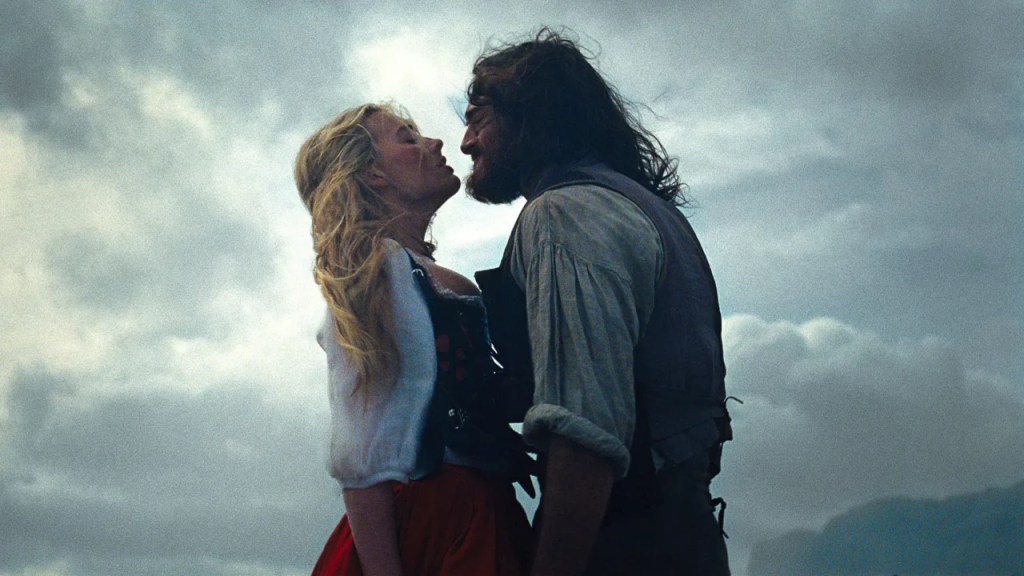
“Wuthering Heights” (Dir. Emerald Fennell, Screenplay. Emerald Fennell – based on the 1847 novel ‘Wuthering Heights’ by Emily Brontë): After the online viral sensation Saltburn (2023), Emerald Fennell tries her hand at adapting Emily Brontë’s ghostly novel of obsession and generational trauma. A young woman stifled in a desolate estate on the Yorkshire moors falls in love with her stepbrother, but trials of class lead them to a tragic denial and separation. Years later, their reunion draws everyone around them into a destructive maelstrom of jealousy, infidelity, and despair. There is an undoubted commitment to creating the film’s theatrically bizarre aesthetic—more suited to an alternative period music video or an advert for Chanel perfume—but Fennell’s interpretation of the novel remains entirely surface-level or completely astray. This overly stylized, sexually uncharged, and ultimately trivial adaptation cannot be saved by its miscast leads (a too-mannered Margot Robbie and a sulking, soppy Jacob Elordi), although Martin Clunes’ wicked father is notable for being grotesquely amusing (I’ve never seen such foul prosthetic teeth before). By the end, I’m not convinced Fennell had even read the book. Wuthering Heights? More like Blithering Lows. My Verdict // ★★☆☆☆
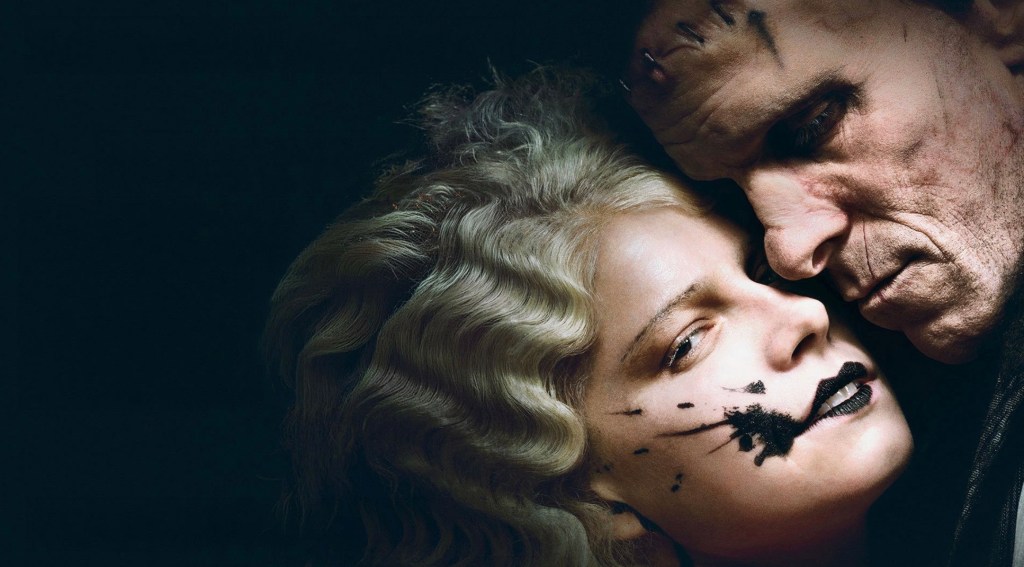
The Bride! (Dir. Maggie Gyllenhaal, Screenplay. Maggie Gyllenhaal): Maggie Gyllenhaal’s punk-feminist black comedy The Bride! is certainly the wackiest movie of 2026 so far. It opens with the vengeful spirit of Mary W. Shelley possessing a police informant in grimy 1930s Chicago (both depicted by Jessie Buckley) and takes off on a Bonnie and Clyde caper with Christian Bale’s softly spoken monster. When this informant is murdered but later resurrected to satisfy the loneliness of Frankenstein’s Creature, the two are married in their confrontation against the evil of humanity – especially the male kind. Between a (sometimes literal) rallying cry for #MeToo and the weird slapstick, it becomes almost impossible to quite process this movie monster mash. It veers between moody noir, dark farce, and po-faced didacticism, resulting in a film that is much less than the sum of its parts—especially when some of those parts feel like lazy cinematic thievery (such as a shamelessly stolen sequence from Mel Brooks’ 1974 parody Young Frankenstein). Buckley and Bale are mostly fun in this folie à deux although there ends up being a lot of shrill shrieking and breathy moaning from both respectively as they lurch from one madcap circumstance to the next. Gyllenhaal’s central conceit—that this is Shelley’s authentically unbound Gothic tale—ends up being an insult to Frankenstein’s writer. I doubt she’d write anything this shallow, silly and scrappy. My Verdict // ★★☆☆☆
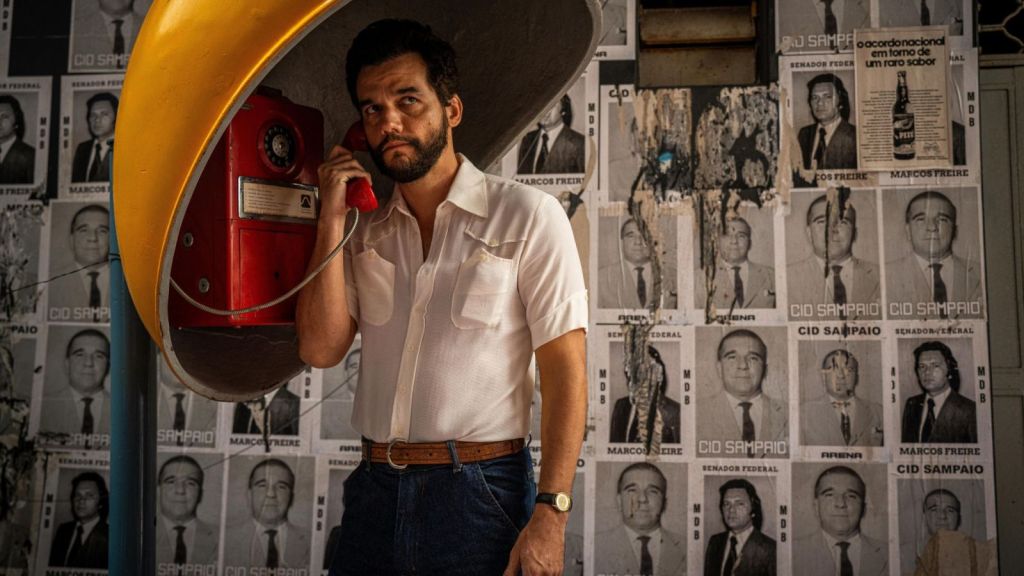
O Agente Secreto (The Secret Agent) (Dir. Kleber Mendonça Filho, Screenplay. Kleber Mendonça Filho): Set in Brazil in 1977, fugitive political dissident Armando (Wagner Moura) returns to the town of Recife to lay low and visit his son. As Armando wrestles with whether to flee the country with his child, he must also reckon with the decisions that widowed him years before—and with the target on his back. Kleber Mendonça Filho’s sober thriller is a love letter to the period’s Latin American cinematographic style and a justified reckoning with a period of political violence and repression (much like last year’s I’m Still Here from Walter Salles). The film is paced languidly at times, allowing the viewer to drink in those period details and the naturalistic cast. Occasional shifting between realism and overly stylised moments can be a difficult balancing act, but Filho’s ability to crank the tension and incite reflection is masterful here. My Verdict // ★★★☆☆

Ástin Sem Eftir Er (The Love That Remains) (Dir. Hlynur Pálmason, Screenplay. Hlynur Pálmason): Wife and husband Anna (Saga Garðarsdóttir) and Magnus (Sverrir Guðnason) have decided to leave each other. Over the course of a year in the cold Icelandic countryside, the couple and their children experience the fallout of the separation: all its possibilities and problems. Though I was beguiled by what I considered the funniest trailer of the year so far, Hlynur Pálmason‘s family drama is perhaps more unusual and tedious than I initially supposed. The lurch into fantastical moments perforates the otherwise staid domestic scenes. Nevertheless, the family members are consistently entertaining, especially the children, who seem to have wiser heads than their turbulent parents. Undeniably quirky, ponderous, and original. My Verdict // ★★★☆☆
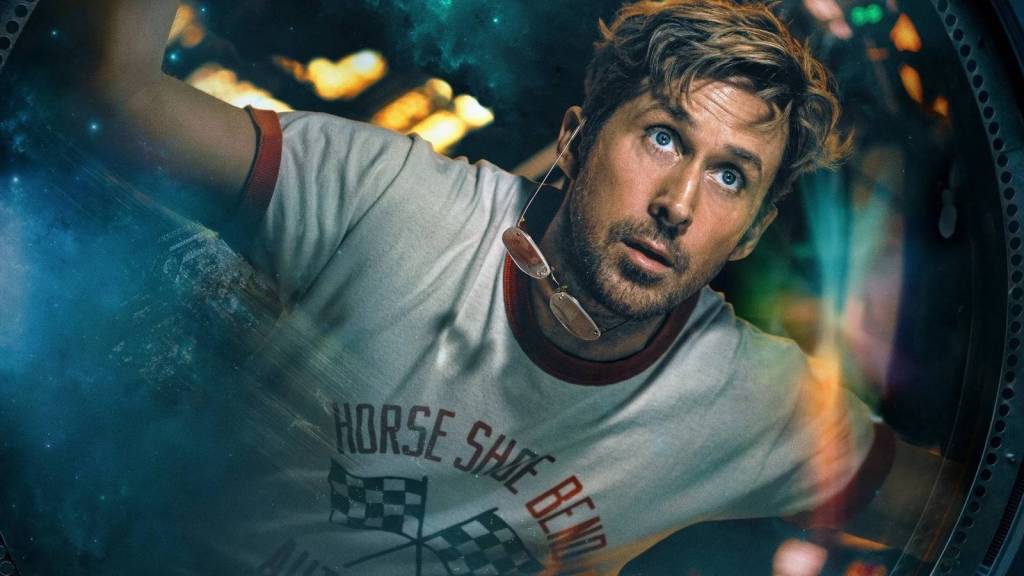
Project Hail Mary (Dir. Phil Lord, Christopher Miller, Screenplay. Phil Lord, Christopher Miller- based on the 2021 novel of the same name by Andy Weir): Waking up in the depths of space, Ryland Grace (Ryan Gosling) doesn‘t know how he got there. Patching together his past on the ship, he realizes that while once he was a schoolteacher, now he‘s on a mission to save Earth from a dying sun. Out in the far reaches of the cosmos, he finds what he‘s looking for and something waiting for him—an unexpected ally also seeking to save the universe. Phil Lord and Christopher Miller‘s adaptation of Andy Weir‘s novel is an unexpectedly funny and satisfyingly schmaltzy experience. Despite the apocalyptic scenario, Project Hail Mary rarely allows its carefree tone to intensify into being too serious, becoming almost sitcom-like in its Earth-based scenes (even Sandra Hüller’s dead-pan mission convenor has a twinkle in her eye) . Otherwise, Lord and Miller have their film to settle on the wondrous awe of not only the universe (aping the cinematic touchstone of Kubrick‘s 2001) but of humanity as well. Much joy emerges from Gosling’s charming lead performance as the haphazard, cowardly protagonist. Alongside our growing affection for this classic hero-in-waiting, the film‘s breezy pace and Daniel Pemberton‘s light, cheeky score propels Project Hail Mary into a very enjoyable space odyssey. My Verdict // ★★★☆☆
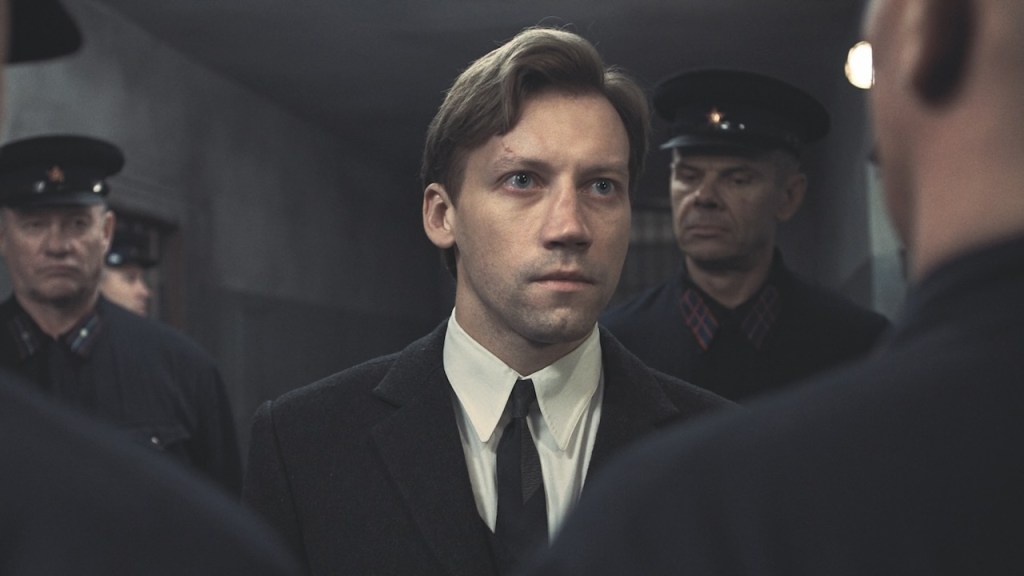
Zwei Staatsanwälte (Two Prosecutors) (Dir. Sergei Loznitsa, Screenplay. Sergei Loznitsa- based on the novella of the same name by Georgy Demidov): Set in 1937 at the height of the Stalinist purges in Soviet Russia, a young, honorable prosecutor (Aleksander Kuznetsov) receives a note written in blood from a local prisoner and decides to investigate. The crimes inflicted on the prisoner lead him to a dramatic crossroads and a confrontation with the totalitarian society that surrounds him. This is a heavy, atmospheric work from Sergei Loznitsa. The static, one-point perspective composition applied to nearly every scene creates a subtle, stifling feeling. While there are perhaps too many transitionary moments of walking through doors, gates, corridors, and antechambers (along with all the waiting around), it certainly builds a pervasive sense of grinding, halting, endless bureaucracy. What’s more, the similar-looking background artists add to the sense that our poor protagonist is being permanently watched. While his character feels slightly underdeveloped politically, Kuznetsov still delivers an engagingly tense performance of resolve under conditions of pure fear. Two Prosecutors delivers a cold, harsh judgment on the inevitability of the moral corruption that sustains totalitarian societies. My Verdict // ★★★☆☆
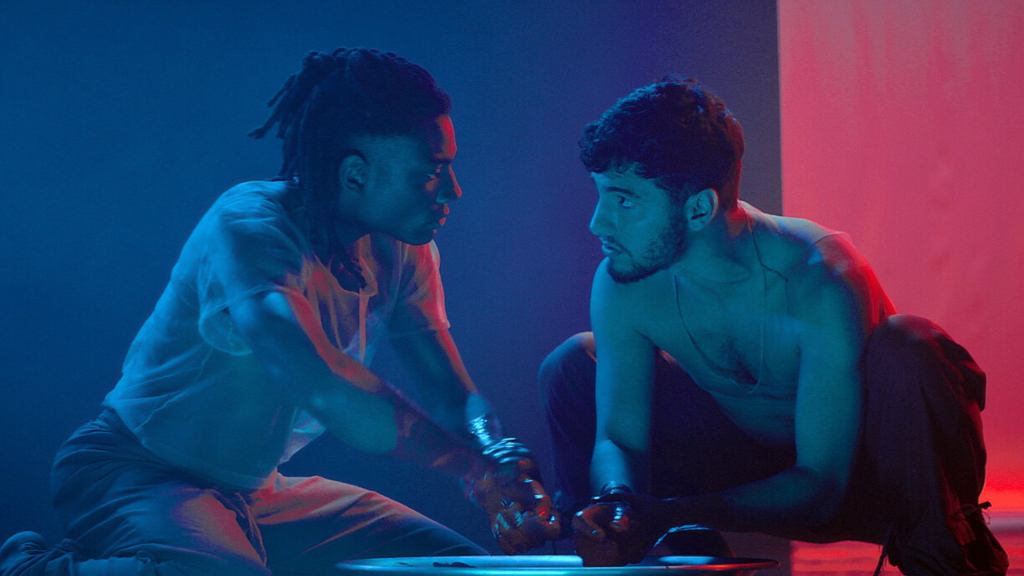
Ato Noturno (Night Stage) (Dir. Marcio Reolon, Filipe Matzembacher , Screenplay. Marcio Reolon, Filipe Matzembacher): Set in Brazil, aspiring young actor Matias (Gabriel Faryas) finds himself competing for a breakthrough television role against his own flatmate, Fabio (Henrique Barreira). At the same time, he begins hooking up with the enigmatic but clearly well-connected Rafael (Cirillo Luna). When these two worlds collide, Matias finds himself in a unique position to get exactly what he wants—but at what cost? Written and directed by Marcio Reolon and Filipe Matzembacher, this Brazilian erotic thriller is a divisive affair: part-compelling, part-alluring, but ultimately overblown. While the cinematography is often gorgeous, bathed in the bi-colour lighting scheme, and the actors are physically beautiful (even if sometimes their performances leave much to be desired), the screenplay takes melodramatic leaps that cheapen the overall power. What could have been a sharp , sensuous study of transgressive desire and the marginalization of queer folk in Brazil instead flounders into petty, pulpy nonsense. My Verdict // ★★★☆☆


